
1929 Dunhill LC Shell Briar — U.S. Patent Swan Neck — Loring / Erik Hesse Provenance
Starting at $1,929.00 [0 Bids]
Reserve: [Not met]
- Watch this auction
- Bid $1,929.00 or higher
- First Bid: N/A
- Last Bid: N/A
- Shipping: n/a
Ends:
Days
Hours
Minutes
Seconds
Description
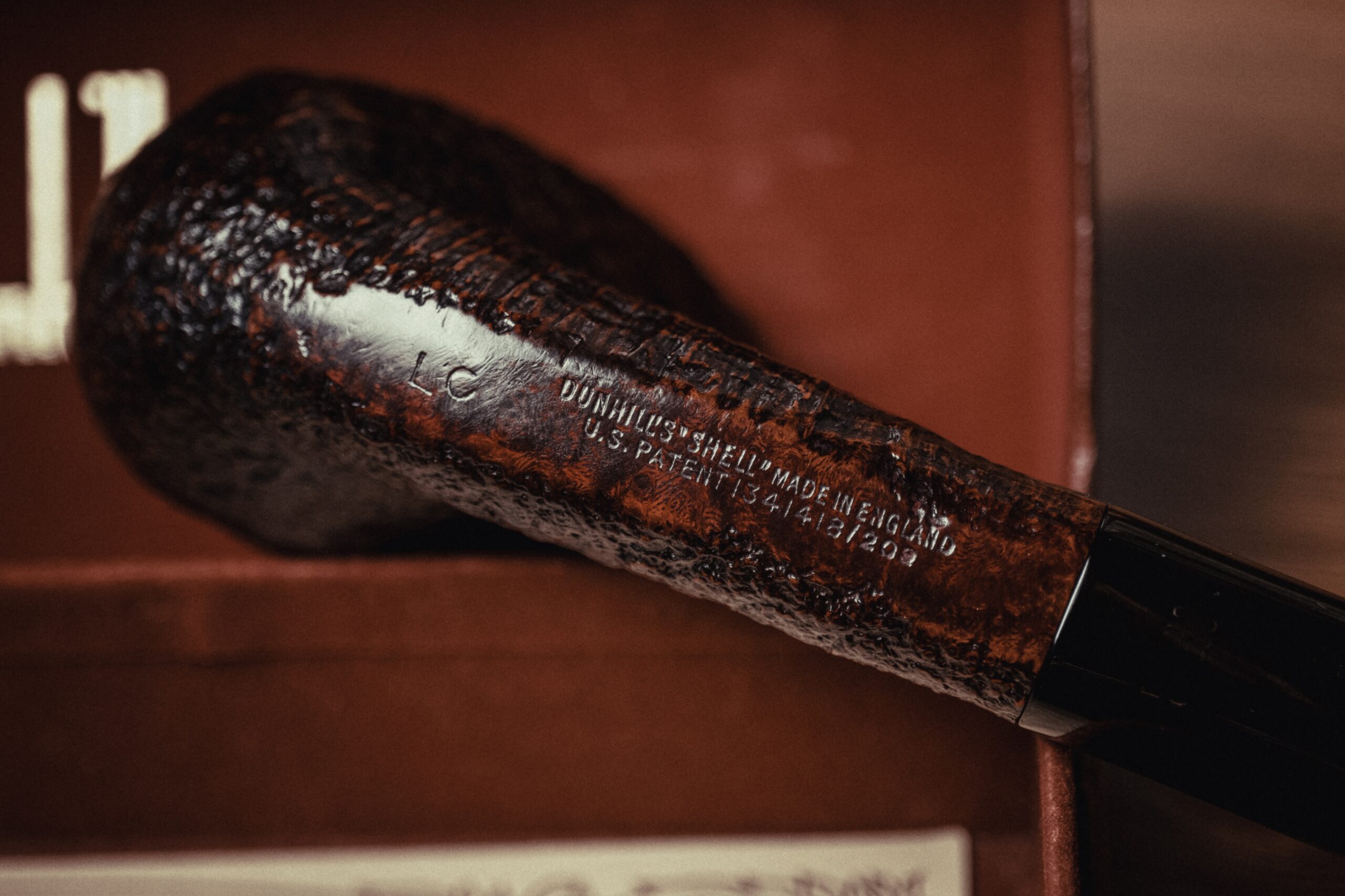
Offered here is the most significant pipe I have ever owned: a 1929 Dunhill LC Shell Briar, stamped LC, Dunhill’s Shell Made in England, U.S. Patent 1341418/20, and bearing the small raised 9 date suffix indicating 1929.
Among Dunhill collectors, the LC occupies almost mythical territory.
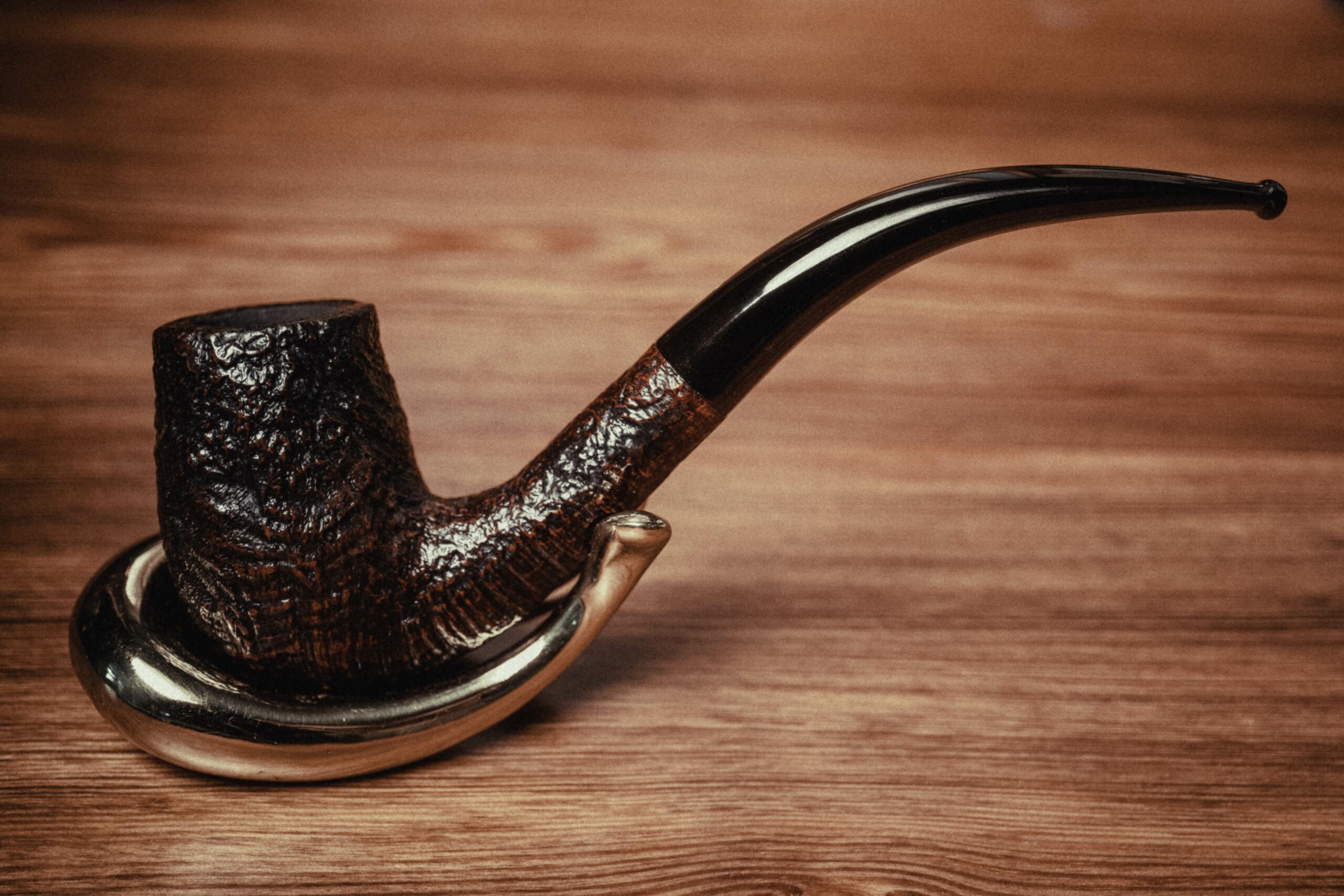
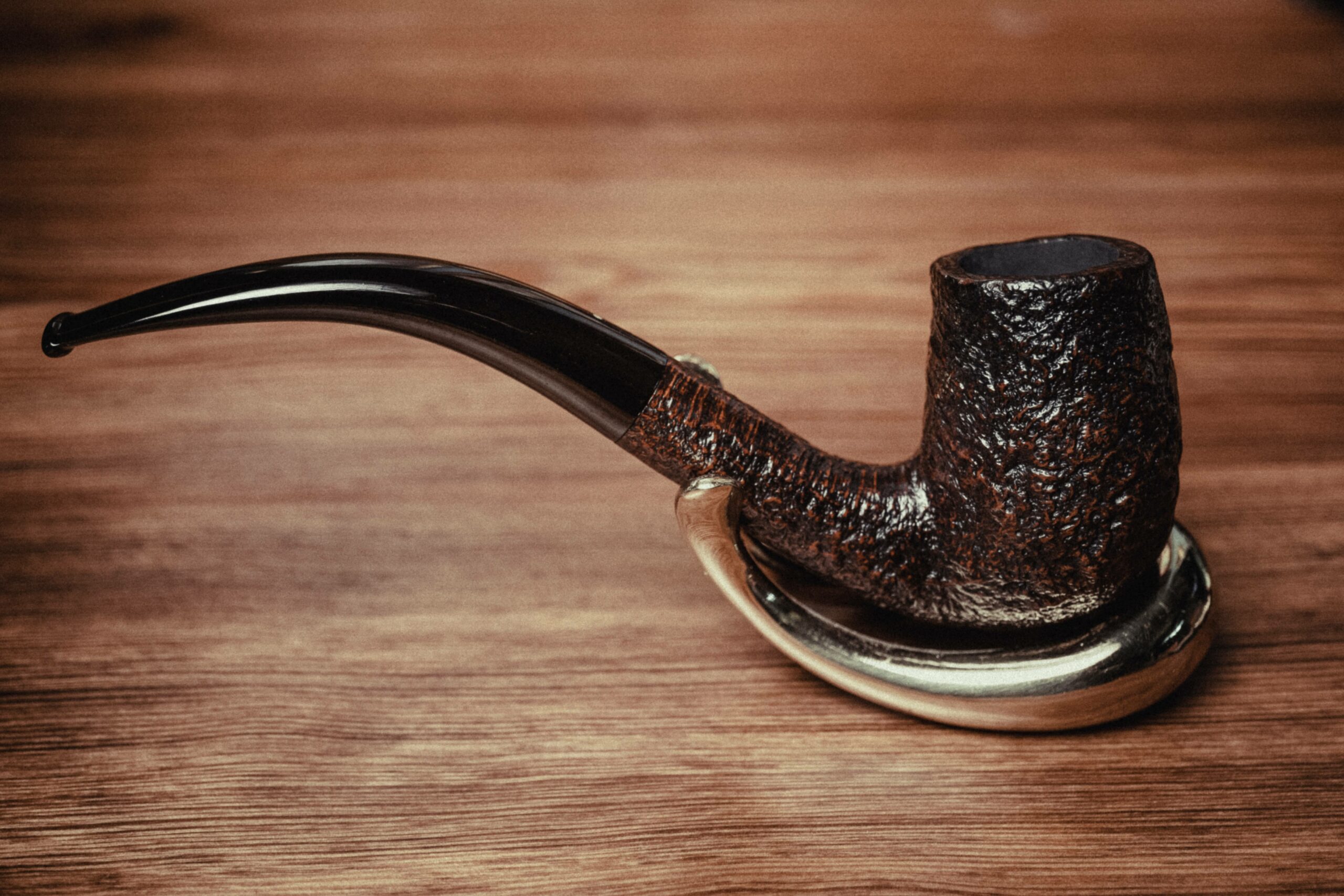
It is not simply a large bent billiard. It is the famous Dunhill swan neck, a long, elegant, beautifully difficult shape whose appeal rests in the sweep from bowl to shank to stem. The line is graceful, almost architectural. The bowl rises with old English confidence, the shank carries forward in a long curve, and the stem completes the form with a shape that seems impossible to make look effortless unless everything is exactly right.
That is the magic of the LC. It is bold without being clumsy, large without being crude, refined without feeling fragile. It is one of those shapes that shows exactly why early Dunhill pipes are pursued with such intensity.
The LC saw its great period in the 1920s and 1930s, with the iconic swan-neck form most closely associated with those early decades. Collectors chase them not only for beauty, but for survival. Long shanks can crack. Thin rims can suffer. Stems can be lost. Restoration can soften the lines. Many early examples were smoked hard, altered, damaged, or simply disappeared into private collections. A clean, well-preserved 1920s LC is not something one casually replaces. It is a pipe people wait years to find.
John C. Loring understood the LC as well as anyone. In “The Atypical LC,” he described the swan-neck character as most common in 1920s LCs, less common in the 1930s, and rarely found later. Loring broke the swan-neck effect into three essential elements: the upper portion of the bit, the length of the shank, and the shank/bowl junction. In other words, the LC is not merely a stamp. It is a balance of line, engineering, and proportion. Loring is also widely recognized as a leading authority on Dunhill pipes.
That is what makes this example so compelling.
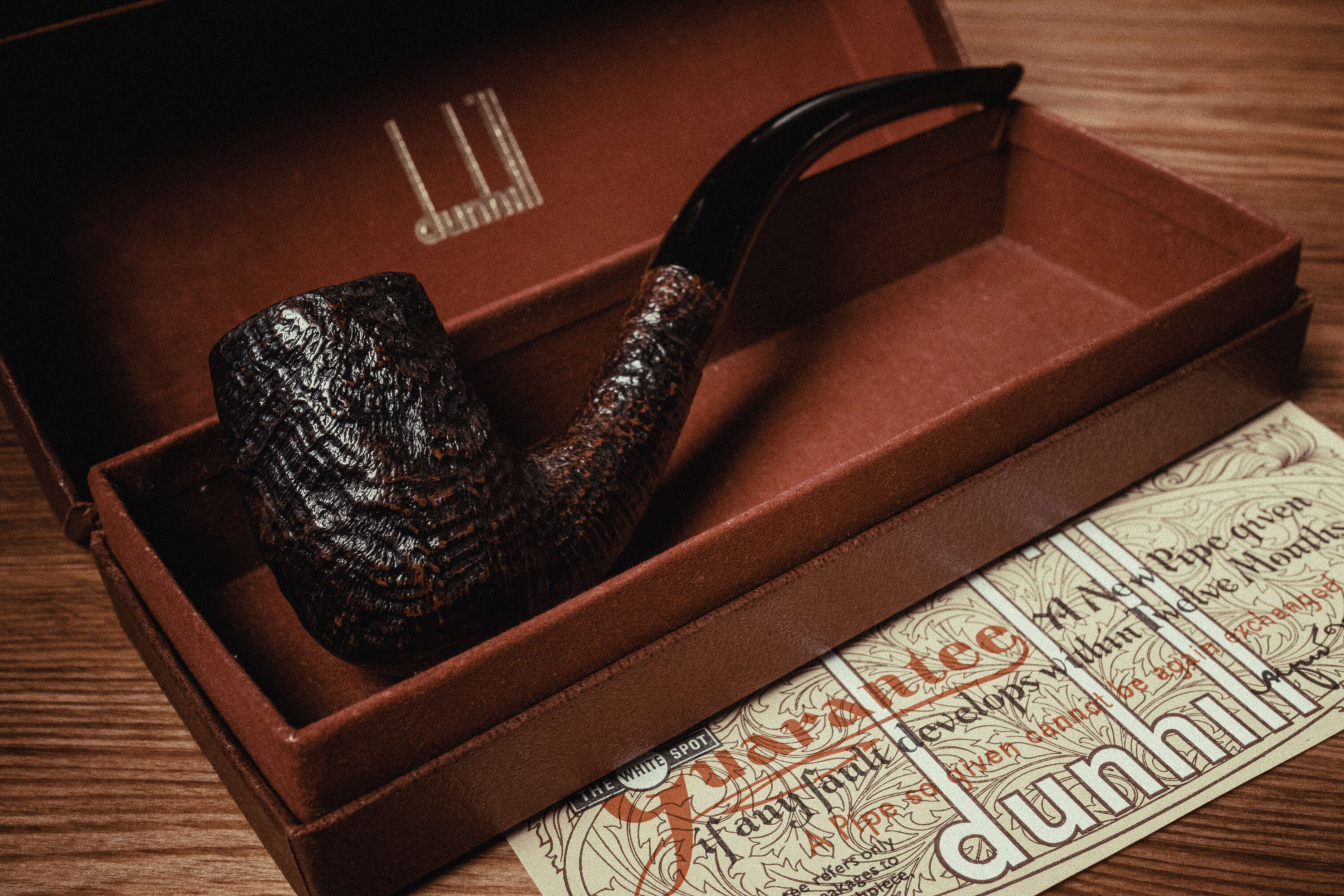
This is a 1929 Dunhill LC, right in the heart of the great period. It is a Shell Briar, with patent-era U.S. stamping. The profile is unmistakable. The blast is rich and dramatic, with deep red-brown undertones visible through the finish. The stamping remains strong and readable. The pipe has presence from every angle.
The collector history is equally remarkable.
I purchased this pipe from Todd Becker of deadmanspipes. This pipe was represented to me at the time of purchase as having previously been owned by Erik Hesse, and before Hesse, by John C. Loring.
That chain matters.
Loring was one of the central modern authorities on Dunhill pipes. He is remembered for his Dunhill dating work and writings, and his own collection page identifies early Dunhills from the 1910s and 1920s, larger shapes from the 1930s through 1950s, and especially LBs, LCs, OXs, early ODs, churchwardens, and carved heads as areas of special interest.
Erik Hesse is another important name in Dunhill collecting. His Dunhill collection has been described as perhaps the greatest after Loring’s.
As represented to me, this pipe passed from John C. Loring to Erik Hesse, and then eventually to me through Todd Becker. Over the past thirty-plus years, it has had only three owners: Loring, Hesse, and myself.
That is the kind of story a pipe like this deserves.
The condition is phenomenal for a pipe approaching a century old. The Shell finish still has life, texture, and depth. The LC line remains elegant and unspoiled. The stem is original to the best of my knowledge. The pipe presents with no issues that I am aware of and is in truly remarkable condition for its age, exactly as Todd represented it when I acquired it. The pipe was polished, sanitized, and made ready for use before I acquired it. I have not smoked it since purchase, and it remains in the same condition as when received from Todd Becker.
Also included are the Dunhill case and Dunhill guarantee shown in the photos. The case is not original to this pipe, but it fits the pipe well and presents beautifully with it, which is notable given the large proportions of the LC.
This is not a pipe I need to sell, and it is not being offered casually. It is being listed with a reserve because a pipe of this rarity, condition, age, and represented provenance should not leave quietly.
A patent-era Dunhill LC is already a rare object.
A 1929 Shell LC in this condition is rarer still.
A 1929 Shell LC represented as having passed from John C. Loring to Erik Hesse is the kind of pipe that belongs in the center of a Dunhill collection.
Details
-Maker: Dunhill
-Shape: LC
-Finish: Shell Briar
-Date: 1929, indicated by the small raised 9 date suffix
-Stamping: LC / Dunhill’s Shell Made in England / U.S. Patent -1341418/20 / raised 9 date suffix
-Stem: Original to the best of my knowledge
-Included: Dunhill case and Dunhill guarantee shown in photos. The case is not original to this pipe, but it fits it well.
-Condition: Polished, sanitized, and made ready for careful use before I acquired it. The pipe presents with no issues that I am aware of and is in truly remarkable condition for its age, exactly as represented by Todd Becker. I have not smoked it since purchase; it remains in the same condition as received from him.
-Provenance: Purchased by me from Todd Becker of deadmanspipes. At the time of purchase, the pipe was represented to me as formerly owned by Erik Hesse and, before him, John C. Loring.
Because I do not have a separate certificate or signed letter documenting the ownership chain, the Loring/Hesse provenance is stated exactly as it was represented to me at the time of purchase and thereafter. The pipe itself is offered on the strength of what it visibly is: a 1929 Dunhill LC Shell Briar with patent-era U.S. stamping, in exceptional condition.
Please review all photos closely. This is a rare, collector-grade, patent-era Dunhill LC Shell Briar, sold as shown.